Goseong Dinosaur Museum
Dino Stage Alive
Full film3:572160×1080
A film that puts the dinosaurs back on stage as performers rather than skeletons behind glass. One Cretaceous day passes in front of the visitor, start to finish.
The difficulty with a dinosaur exhibition is that visitors arrive having already seen the skeletons and the reconstruction drawings. Rather than adding another layer of information, this film puts them inside a single Cretaceous scene. The commission was not one piece but three, for three spaces — the lobby, the central hall and the immersive room. This page covers the central-hall media show.
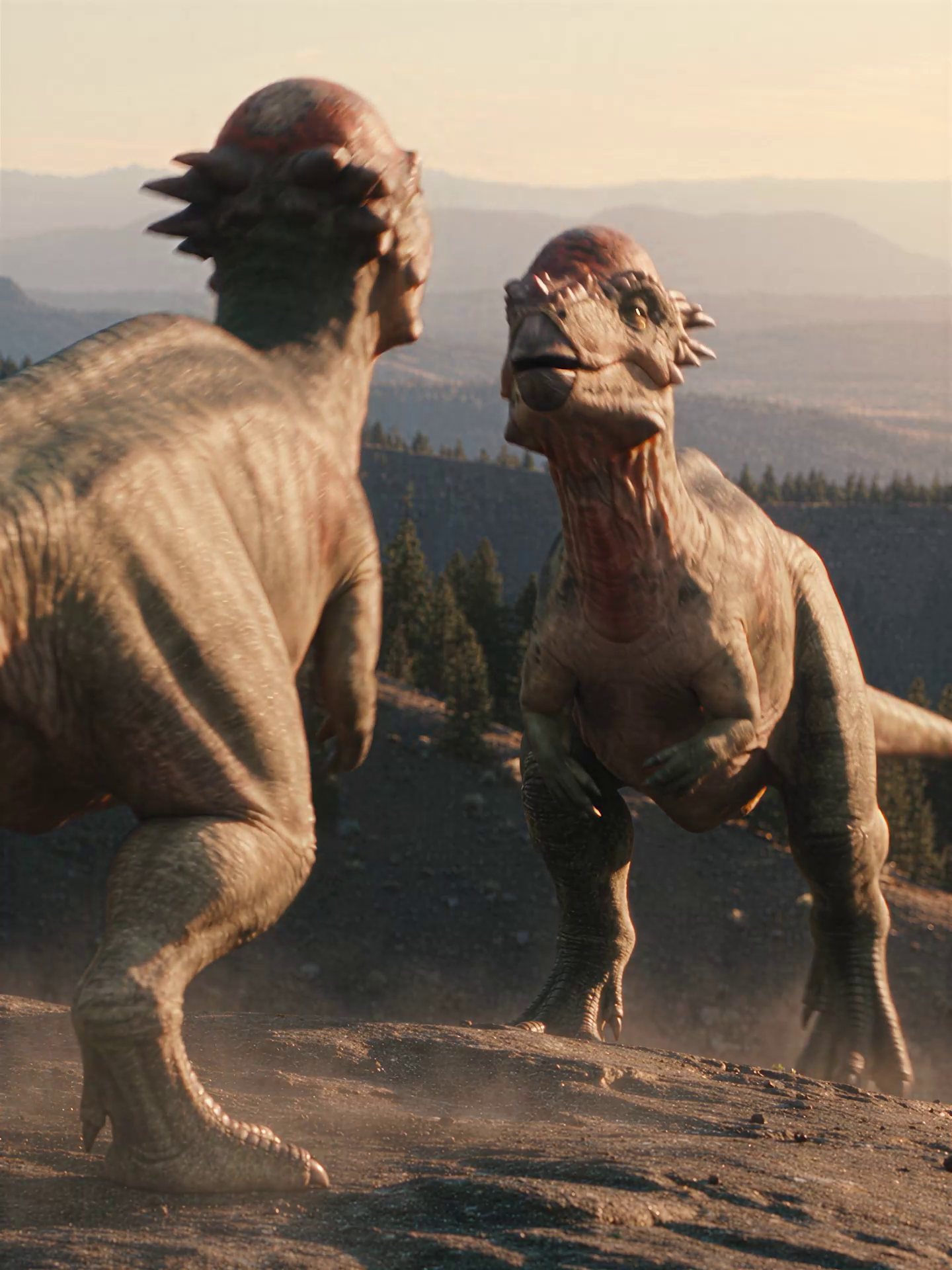
The frame is closer to vertical than to landscape — a stage ratio. It holds the height of the trees and the sky in one image and pulls the eye upward. Three events run without a cut: a herd of Iguanodon crossing a flowering plain, animals colliding, and a Triceratops walking toward the front of the frame.
AI generation was used where hand work explodes in cost — skin texture, vegetation, atmospheric perspective. Every animal path and every camera move was set by hand. Used raw, generation makes the same animal read as a different species from shot to shot, so a reference image was locked per species and generation was constrained to it.
“Rather than explaining more, the choice was to stand the visitor in the middle of the period.”
Going Full AI at the Goseong Dinosaur Museum
Goseong Dinosaur Museum · AI-native pipeline · a post-mortem, written by the person who showed the previz
I'd love to tell you I chose to test an AI-native pipeline on a real client project because I'm brave. I didn't. The company decided.
Goseong was a renewal project, and there was far too much to make in far too little time: twelve to fifteen videos, some of them multi-wall installations. The calendar said nine months, but four of those went to planning and client feedback, so if you're doing the math at home, that leaves about five months of actually making things. Goseong was the perfect project to go full AI, and also the kind of perfect you don't get to turn down.
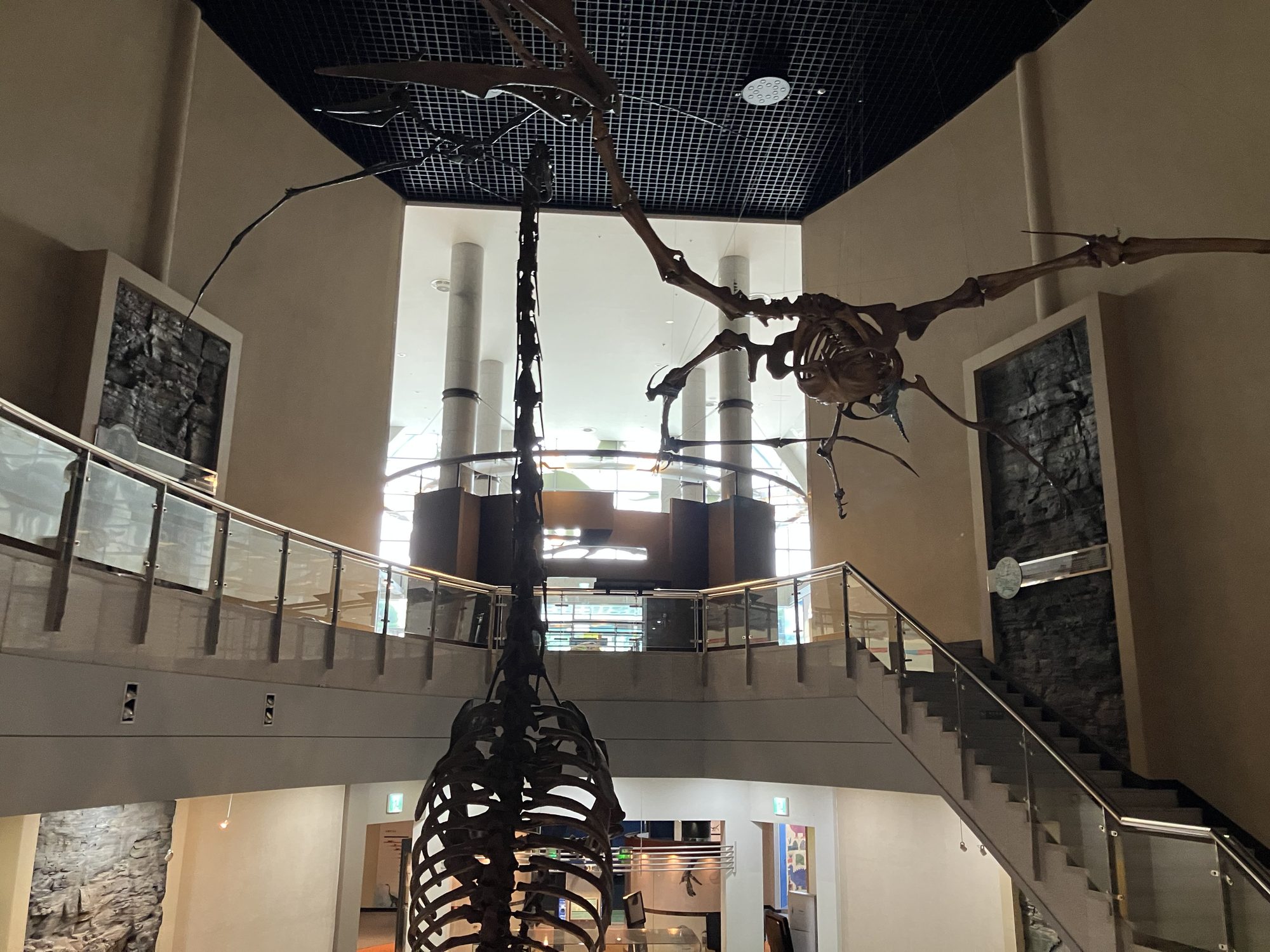
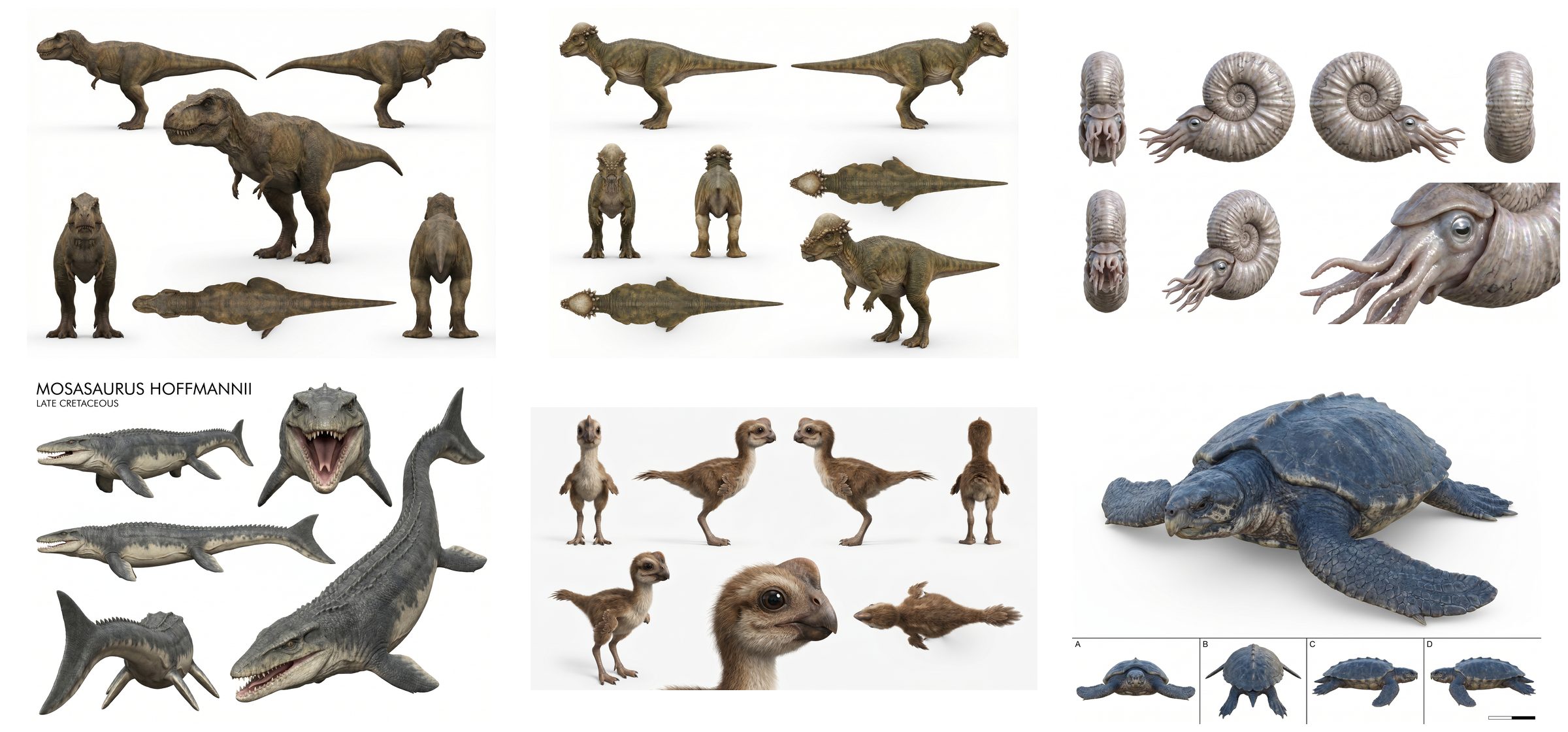
So here is what “AI-native” turned out to mean. All of the content was generated with AI. Most of the iteration and fine-tuning was done by hand, because AI got us to the wall and people got it to look right. A few things, like the assets for the casual game content, were made by full automation. And underneath all of it sat a kind of work that doesn't look like AI at all: a dinosaur museum comes with homework. A species list, sorted by family and by period. Character sheet images sorted the same way, plus their styles. Environment data, sorted by period. Every time one of the experts weighed in, all of it had to be updated.
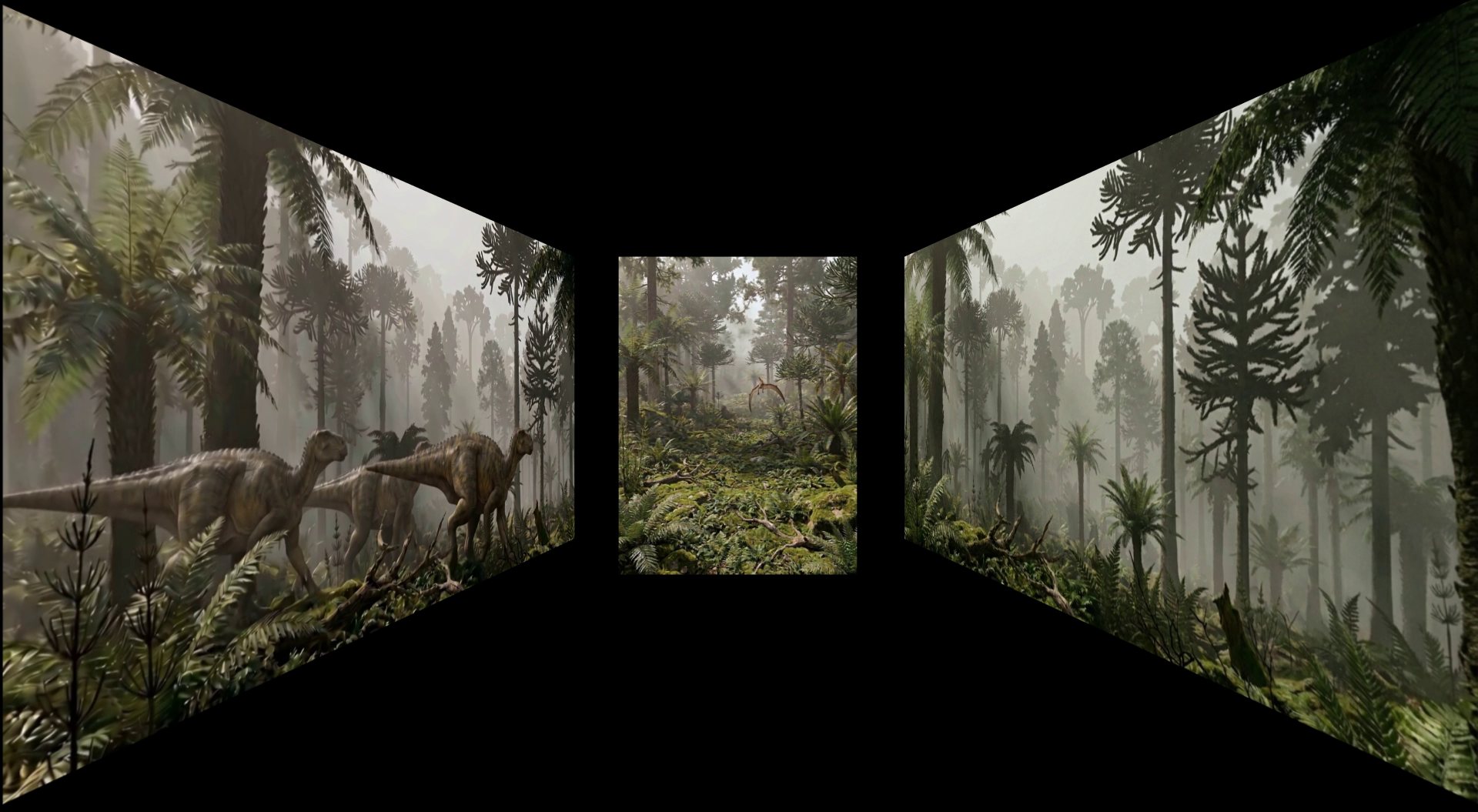
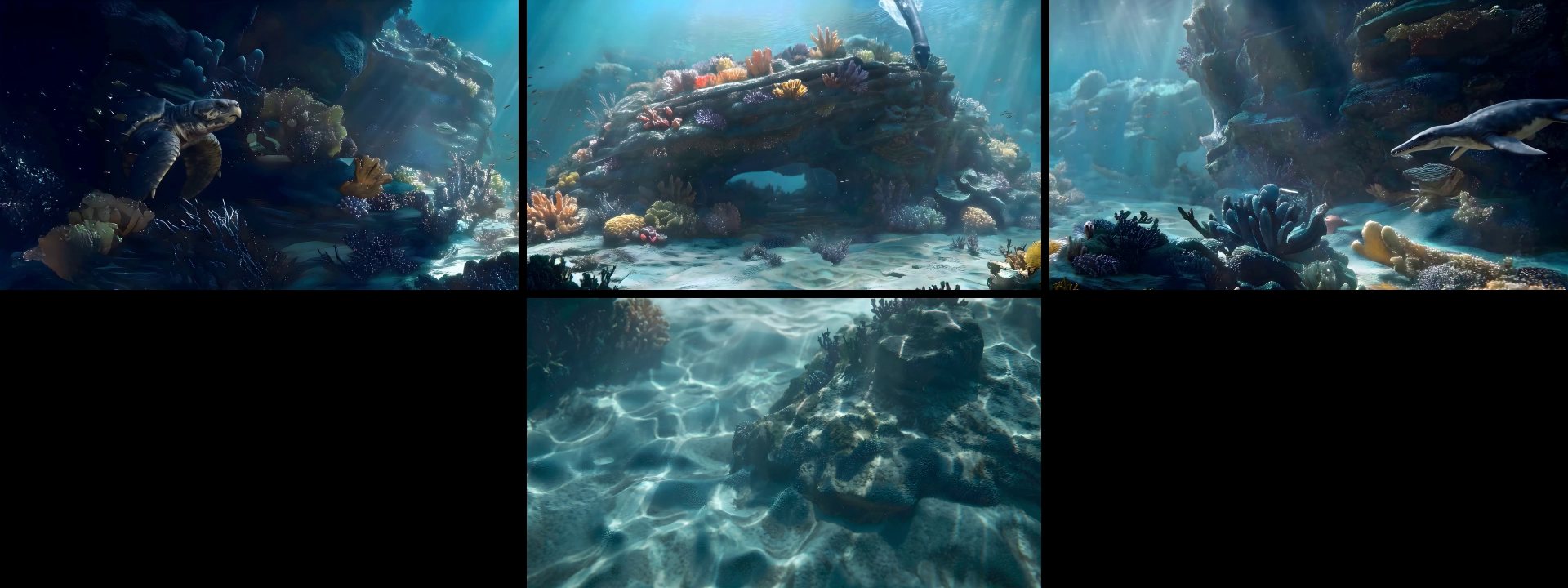
With that machine running, we went into our first review with three pieces: L1-2, H1-1 and E1.
About ten people were in the room, including a couple of city council members, and the mayor was one of them. The videos I showed were close to previz, meant to give a glimpse of how the final would look. The mayor took them for final, or at least close to it. He didn't like them. He said they all looked similar.
I should admit something: I liked the work. I liked it right up until the mayor disagreed. And I wasn't in a position to say anything after that.
We started from scratch.
I gathered the team. We had a lively moaning session, and it lasted a while. Then we started talking about solutions, and what we landed on was this: stop making three videos in one look, and make three different films, each with its own design direction. Before committing to any of them, we ran a lot of AI video tests inside that direction. L1-2 became cinematic realism with a dynamic style. H1-1 became hyper-realism, almost a nature documentary. E1 went to fantasy and surrealism.

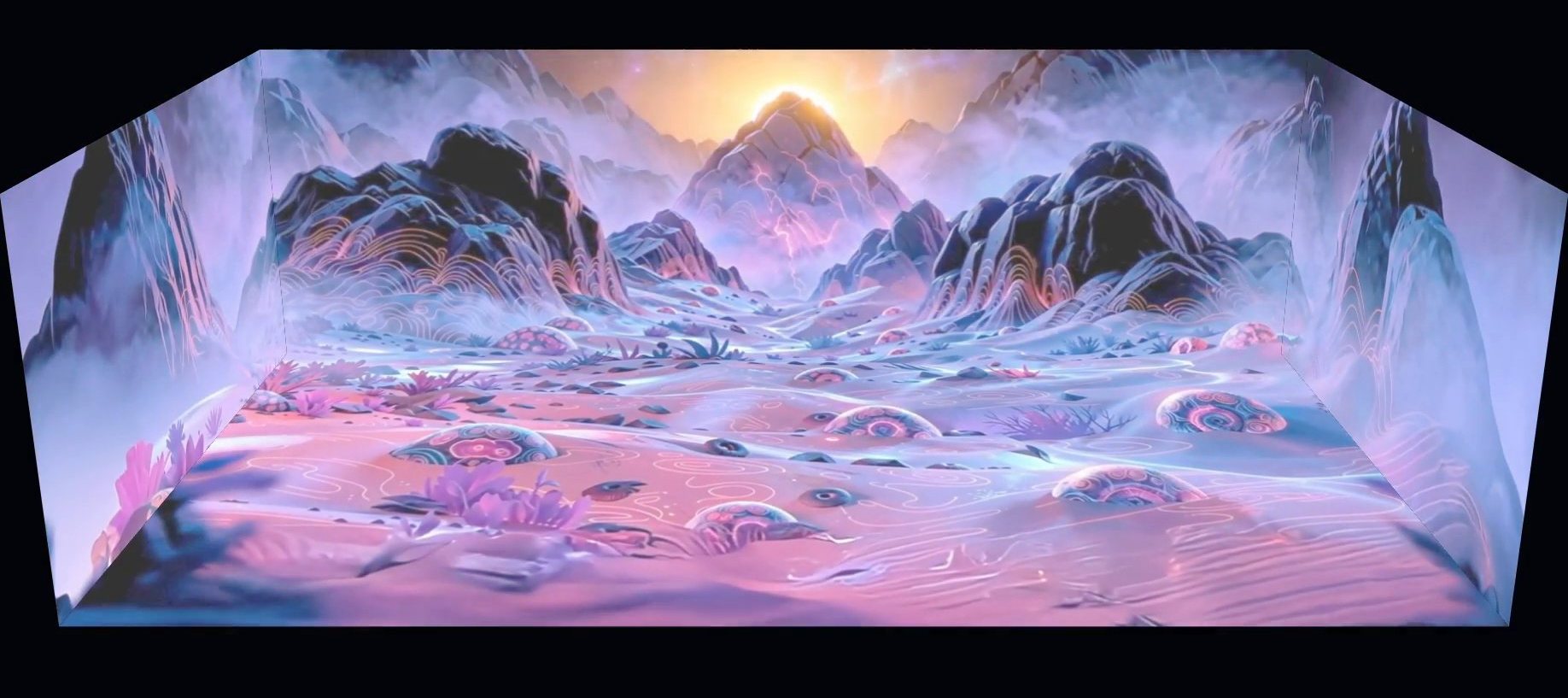
Two of the three weren't single screens, which is where a lot of my time went. H1-1 has three screens, and I made the three videos separately, so getting their timing to match turned out to be one of the hardest tasks in the whole project. E1 is an immersive installation in a square room, with three wall screens and a floor. I upscaled the generated videos four times and sliced them to fill all four surfaces, and for a couple of scenes I made a separate floor video, matched its colour and style to the walls, and combined it.
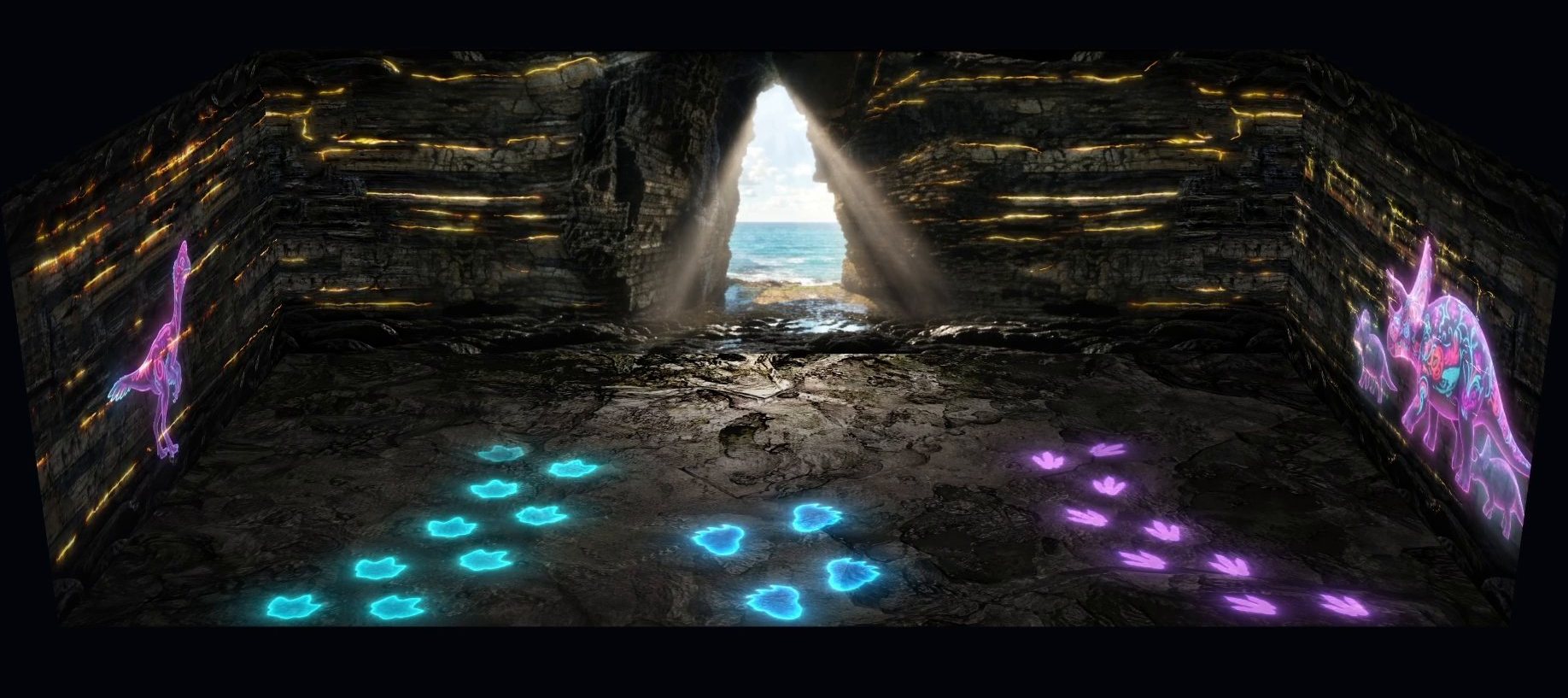
The second review worked. Everyone was satisfied, and the members of the city council were busy taking pictures in front of the videos.
If I could give you only one piece of advice before you try this yourself, it would be this: if you give AI full control from the beginning, it will give you dumb results. If you give it very specific, clear direction from the beginning, it will come back with unexpected and amazing ones. Everything else in this post is a footnote to that.
How it was made
- 1
Reference & Consultation
Gathered reconstruction material on Cretaceous vegetation and species on the Korean peninsula, and fixed which species would appear and how they would behave.
- 2
Look Development
Locked time of day and colour temperature first, so every later shot would sit inside the same single day.
- 3
Setting the Rules
Set a reference image per species so an animal could not read as a different species from one shot to the next.
- 4
Generation & Compositing
Generated the three events — herd movement, collision, approach — separately, joined them into one flow, and composited atmospheric perspective and floating dust over the top.
- 5
Grade & Master
Cleaned the shadows so the top and bottom of the vertical frame would not go flat, and delivered a master with the loop seam removed.
Credits
If you are planning something at this scale
Available for exhibition and museum film, media façades, and immersive projection.
[email protected] ↗